


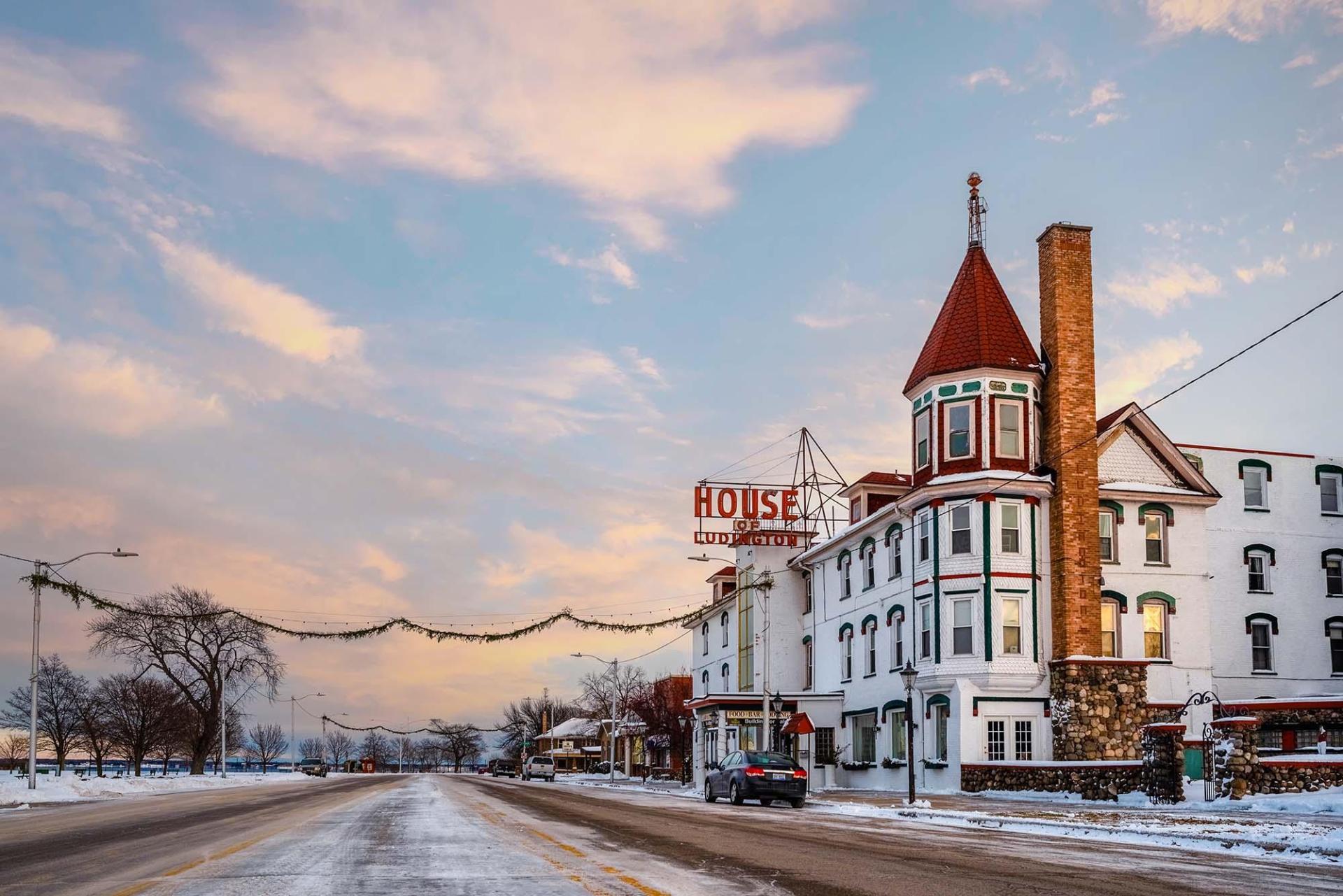
The House of Ludington: A Landmark in Escanaba's History
For more than 160 years, the House of Ludington was a fixture of downtown Escanaba, welcoming travelers, hosting celebrations and witnessing generations of change along the shores of Little Bay de Noc.
From its beginnings as a modest hotel in the 1860s to its transformation into one of the Upper Peninsula's most recognizable historic landmarks, the House of Ludington played an important role in Escanaba's story. Though the building was lost to fire in December 2025, its legacy lives on in the memories of generations of residents and visitors.
From the Gaynor House to the Ludington Hotel
The story of the House of Ludington begins in 1864, when E. Gaynor built the Gaynor House hotel in the young community of Escanaba. The city was growing rapidly, fueled by the lumber industry, iron ore shipping and the expanding railroad network that connected the Upper Peninsula to markets throughout the Midwest.
In 1871, Gaynor renamed his establishment the Ludington House in honor of Nelson Ludington, a prominent lumberman whose business interests helped shape the region's development.
As Escanaba prospered, so did the hotel. In 1883, proprietor John Christie purchased the property, replaced the original wooden structure with a brick building and renamed it the New Ludington Hotel. Additional wings were constructed in the following decades, eventually expanding the hotel to approximately 100 guest rooms.
A Grand Hotel for a Growing City
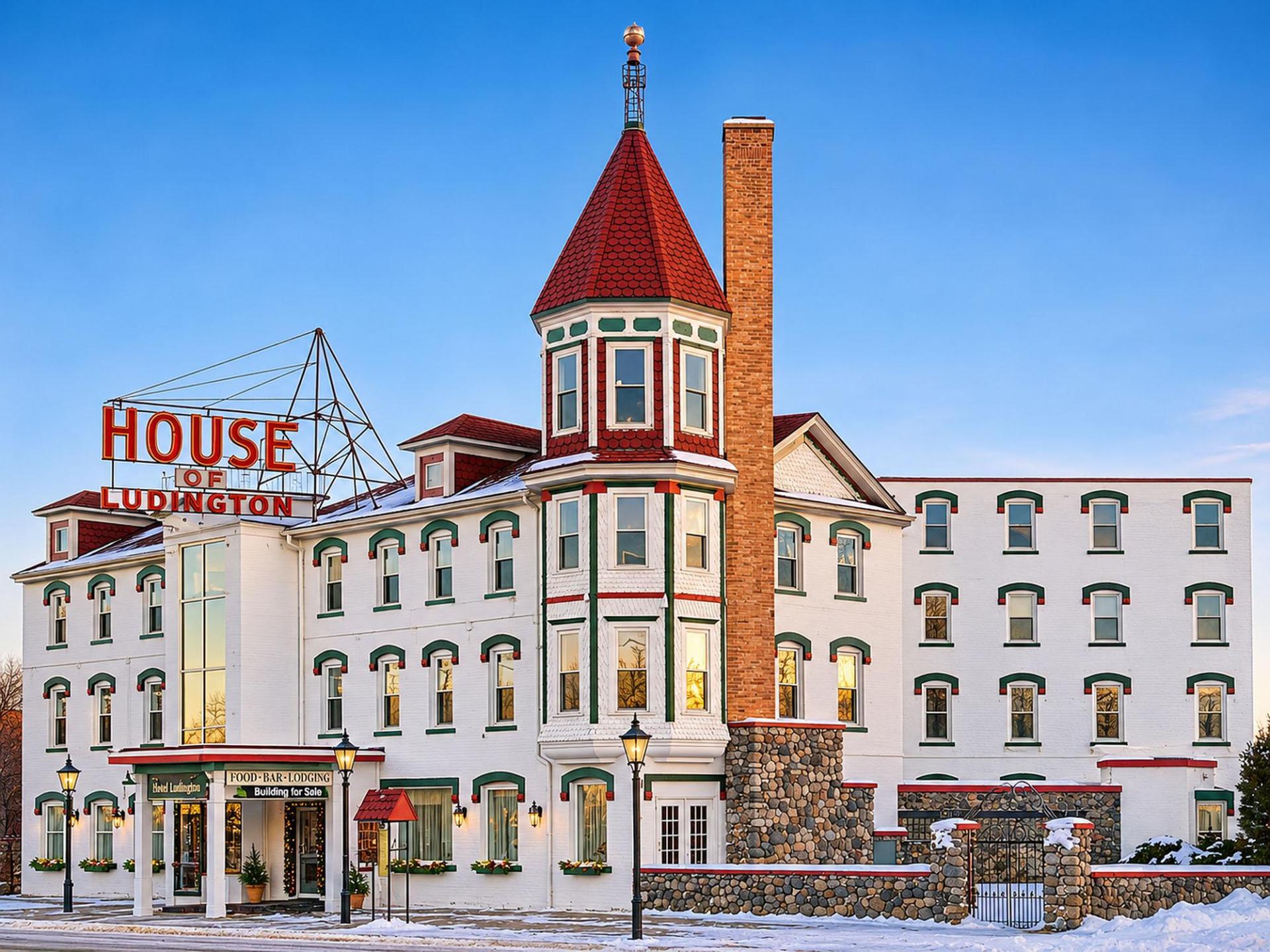
By the late 19th century, the New Ludington Hotel had become a destination in its own right. Its distinctive Queen Anne-style architecture reflected the elaborate resort hotels popular during the Victorian era, with decorative towers, ornate details and an imposing presence along Ludington Street.
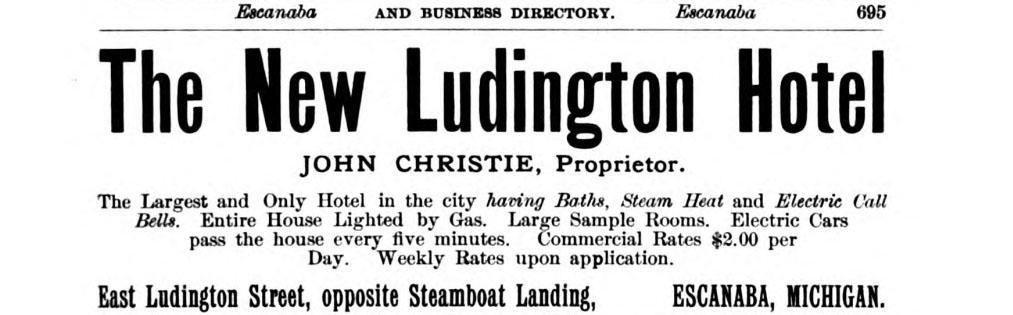
The hotel also offered amenities considered luxurious for its time. An advertisement in the 1893 Michigan Gazetteer and Business Directory proudly described it as "The Largest and Only hotel in the city having Baths, Steam Heat and Electric Call Bells."
Rooms were advertised at $2 per day, offering guests modern comforts in a bustling Great Lakes port city. Travelers arrived in Escanaba by rail and lake steamer, drawn by business opportunities, the region's natural beauty and the growing popularity of Great Lakes tourism, and The Ludington Hotel offered a comfortable place to stay, dine and experience the city.
Over the years, the hotel's guest list included notable figures such as Henry Ford, Thomas Edison, Harvey Firestone and Prince Bertil of Sweden, reflecting its reputation as one of the Upper Peninsula's premier destinations.
More Than a Place to Stay
While the House of Ludington welcomed countless travelers, it also became a beloved gathering place for the local community.
The hotel's dining rooms and event spaces hosted weddings, proms, banquets, holiday celebrations and other special occasions. For generations of Escanaba residents, the House of Ludington was as much a part of their personal histories as it was a landmark on the city's main street.
The hotel entered another notable chapter in 1939, when Pat Hayes purchased the property. During his years of ownership, the hotel became known for its hospitality and dining, establishing a reputation that extended well beyond Escanaba.
The building continued to evolve with the times. In 1959, a glass-walled exterior elevator was installed, becoming one of its most recognizable features. Subsequent owners undertook renovations and restorations, preserving the hotel's historic character while adapting it for new generations of guests.
An Escanaba Landmark Remembered
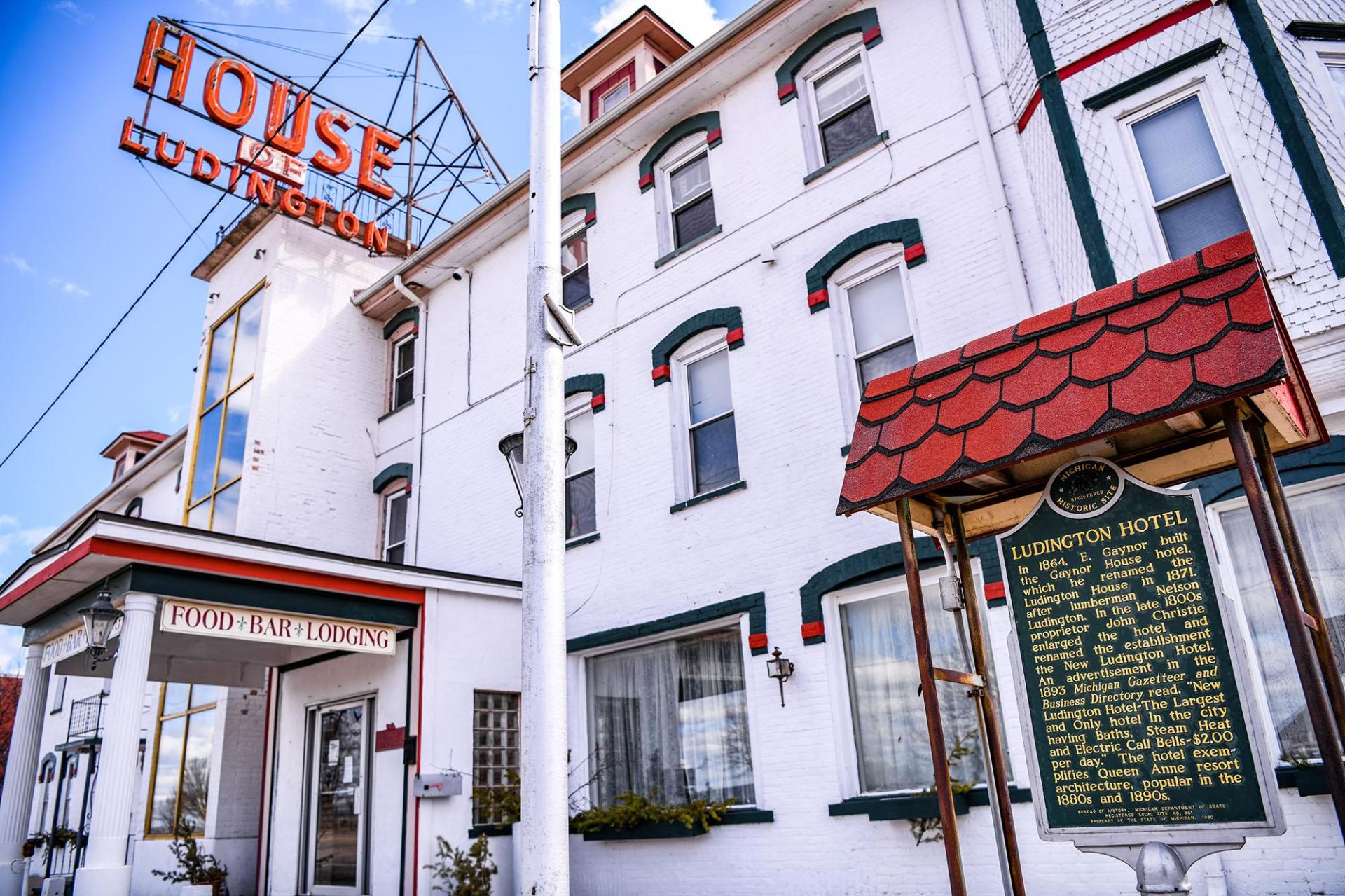
The House of Ludington's architectural and historical significance earned it a place on the Michigan State Register of Historic Sites in 1981. A state historical marker, erected in 1990, recognized the hotel's role in Escanaba's development and its distinctive Queen Anne architecture.
On December 5, 2025, a devastating fire severely damaged the House of Ludington. The remaining structure was demolished in January 2026, bringing an end to one of Escanaba's longest-standing landmarks.
But the hotel's story remains woven into the city's history. For more than a century and a half, the House of Ludington reflected Escanaba's growth from a busy lumber and shipping community into the welcoming waterfront destination visitors know today.
Although the building no longer stands at 223 Ludington Street, its memory as an important place in Escanaba's story will live on.
Discover more of Delta County’s history and culture. From historic downtown architecture to fascinating museums and local landmarks, there are countless stories waiting to be explored. Discover the history and culture of Escanaba and the people and places that shaped Delta County.